When you first arrive in the US as an exchange or international student, there's something you need faster than you'd expect.
A US bank account.
Paying rent, splitting meals with friends, getting through daily school life — a US account makes so many situations easier.
But the first time you walk into a US bank, you're hit with a stream of terms that aren't familiar in Korea: Checking Account, Debit Card, Routing Number, Zelle.
Today, we're covering what international and exchange students should know when opening their first US bank account.
What exactly is a Checking Account?
If you're opening your first account in the US, a Checking Account is what you'll use most.
Think of it as similar to a regular everyday account you deposit and withdraw from.
It's where you keep the money you use day to day — paying rent, paying off a card, sending money to a friend.
A Savings Account, on the other hand, is meant for saving, as the name suggests.
If you're new to the US as an exchange student, opening just a Checking Account is often enough to get by without issues.
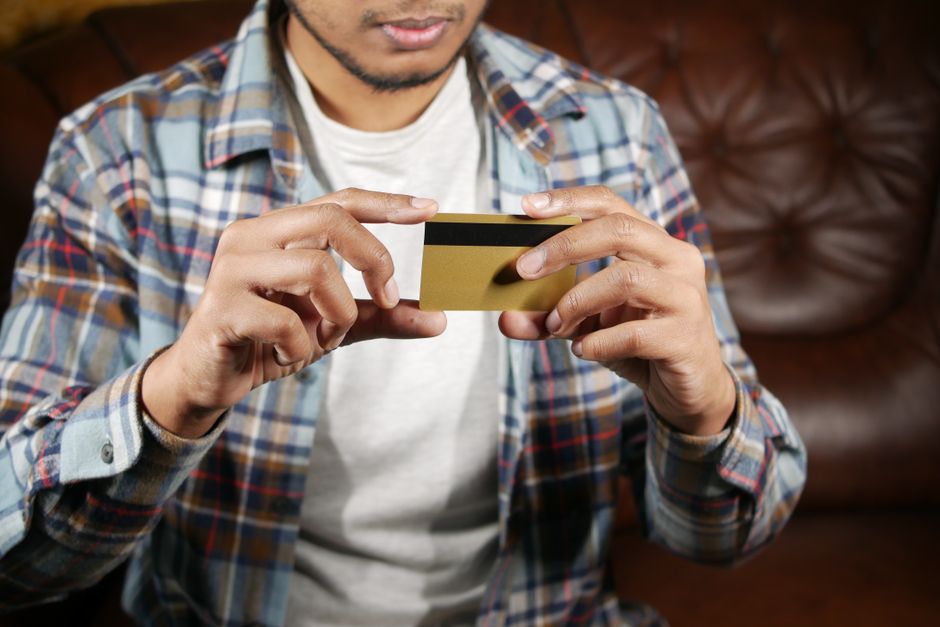
You'll usually get a Debit Card too!!
Opening a Checking Account usually comes with a linked Debit Card.
Think of it as similar to a Korean check card.
When you pay with a Debit Card at a store or restaurant, the money comes straight out of the linked Checking Account.
Since getting a credit card in the US can be limited at first due to having no credit history, a lot of new international students end up relying on a Debit Card early on.
What should you bring to open an account?
The exact documents required vary by bank, branch, and immigration status, but international and exchange students generally want to bring the following.
1. Passport
A basic requirement for identity verification.
2. US visa
May be required to confirm your current status — F-1, J-1, etc.
3. I-20 or DS-2019
Bring your I-20 if you're an F-1 student, or your DS-2019 if you're a J-1 exchange student.
4. Proof of a US address
Banks may ask for something confirming your current address — a dorm housing confirmation, a lease agreement, or a utility bill with your name and address on it.
5. School-related documents
It's also worth having your student ID or an enrollment verification letter ready to confirm you're currently enrolled.
6. SSN or ITIN
Bring your SSN if you have one. That said, some banks let international students without an SSN open an account, verifying identity through a passport or other immigration documents instead.
7. A US phone number and email address
These come in handy for account registration, online banking, and identity verification, so it's worth having them ready ahead of time.
Some banks ask for two forms of ID or additional proof of address. Before you go, check the required documents on the bank's official website, and if possible, call the specific branch you plan to visit to confirm exactly what F-1/J-1 students need — that's the safest way to avoid a wasted trip.
If you don't have an SSN, asking ahead of time — "I'm an international student and I don't have an SSN yet. What documents should I bring to open a checking account?" — can save you a wasted trip.
Which bank should you choose?
Large banks that a lot of new students in the US end up using include Chase, Bank of America, and Wells Fargo.
That doesn't mean you have to pick the most famous one.
Personally, I'd recommend first checking how many ATMs and branches are near your school or home.
If a specific bank has an ATM on campus, or a branch near your school, daily life gets a lot more convenient.
It's also worth checking the Monthly Maintenance Fee before opening an account.
Some US Checking Accounts charge a monthly maintenance fee unless you meet certain conditions.

Zelle gets used a lot in the US too
Once you start living in the US, you'll quickly run into the name Zelle.
It's commonly used for splitting a meal with friends or sending rent to a roommate.
Banks that support it let you use Zelle right inside the bank's app, sending money using the other person's email or US phone number.
Since transfers go through quickly, be especially careful sending money to someone you don't know.
If you're looking at a listing on Facebook Marketplace or a sublease, and the other person asks you to Zelle a deposit before even showing you the place, that's worth double-checking before you send anything.
Life gets a little easier once you have a US account
Walking into a US bank for the first time can feel a bit intimidating.
But once you open an account and set up your Debit Card and banking app, you get used to it faster than you'd think.
US life seems to be a string of moments like this.
At first, finding housing is hard, opening a bank account is hard, and setting up a car or phone plan all takes some digging.
And once you settle in and eventually graduate or start working, a new set of questions comes up.
Where do you meet new people?
While you're in school, classes, clubs, and your Korean Student Association make it easy to meet people naturally — but once you start working, those chances shrink a lot faster than expected.
The US is especially spread out, so even Koreans in the same general area, if their daily lives don't overlap, often have no way of knowing the other exists.
Neorang is a Korean-American matchmaking service built with exactly this environment in mind.
For Koreans living across the US, we consider not just location, age, and occupation, but also willingness to do long distance and future living plans, to introduce people who can realistically build something together.
Just like figuring out how to open a bank account step by step when you first arrived, there's more than one way to meet someone new.
If you're looking for something serious in the US, Neorang might be worth considering as another option.