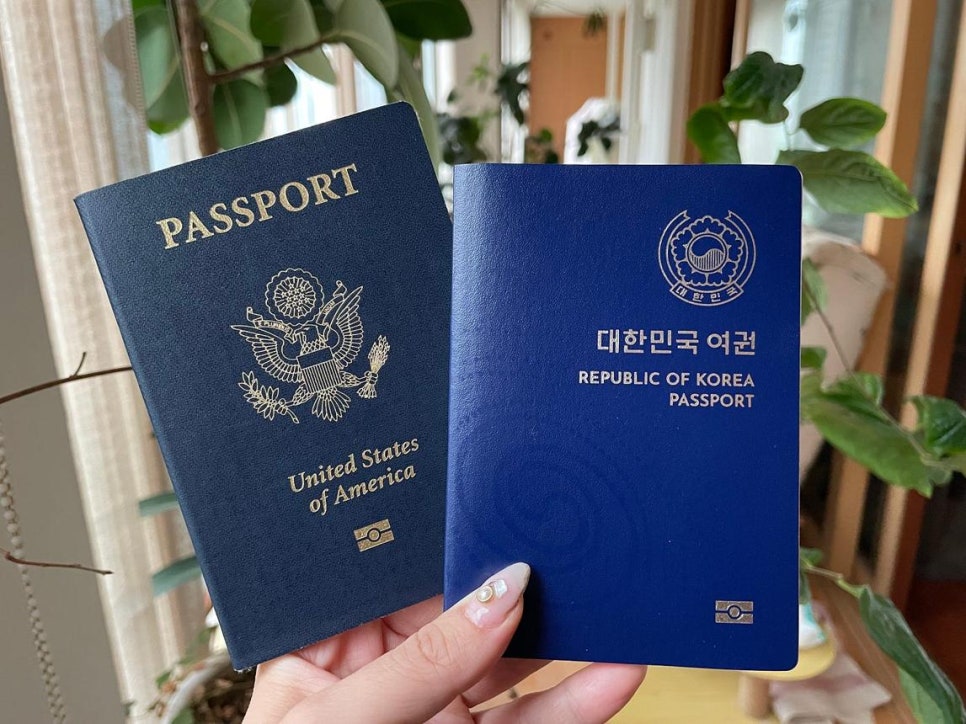
This is a topic where looking only at US law can actually give you the wrong answer.
"If a Korean national becomes a US citizen, do they end up with dual Korean-US citizenship?"
A lot of people have heard that dual citizenship is possible in the US.
The US Department of State does state that US law does not require a US citizen to choose only one nationality over another.
So if someone immigrates to the US and naturalizes as a citizen a few years later, can they keep using both a US passport and a Korean passport?
For the typical case — a Korean national who voluntarily naturalizes as a US citizen — it's not actually that simple.
This topic requires looking at both US law and Korean nationality law.
The US itself does recognize dual nationality
Let's start with the US side.
The US Department of State states that US law does not prohibit a US citizen from holding another country's nationality at the same time, and does not require choosing just one.
Acquiring another country's citizenship also doesn't automatically strip someone of US citizenship on its own. Losing US citizenship involves separate legal requirements — voluntariness and an intent to relinquish US nationality, among others.
So from the US side alone, dual nationality is possible.
But stopping there would give Korean nationals an incomplete — and misleading — picture.
Korean nationality law has a different rule
Article 15 of Korea's Nationality Act states that a Korean national who voluntarily acquires a foreign nationality loses Korean nationality at the moment that foreign nationality is acquired.
Say a Korean national lived in the US as a green card holder and then voluntarily applied for and received US citizenship.
Under US law, they become a US citizen.
But under Korea's Nationality Act, in the typical case, they lose Korean nationality at the moment they voluntarily acquire US citizenship.
The Korean Embassy in the US spells this out clearly too, in its 2026 guidance on loss of nationality. Someone who loses their nationality is also required to file a nationality-loss report.
In other words: "the US allows dual citizenship, so my Korean citizenship stays automatically" is not correct.
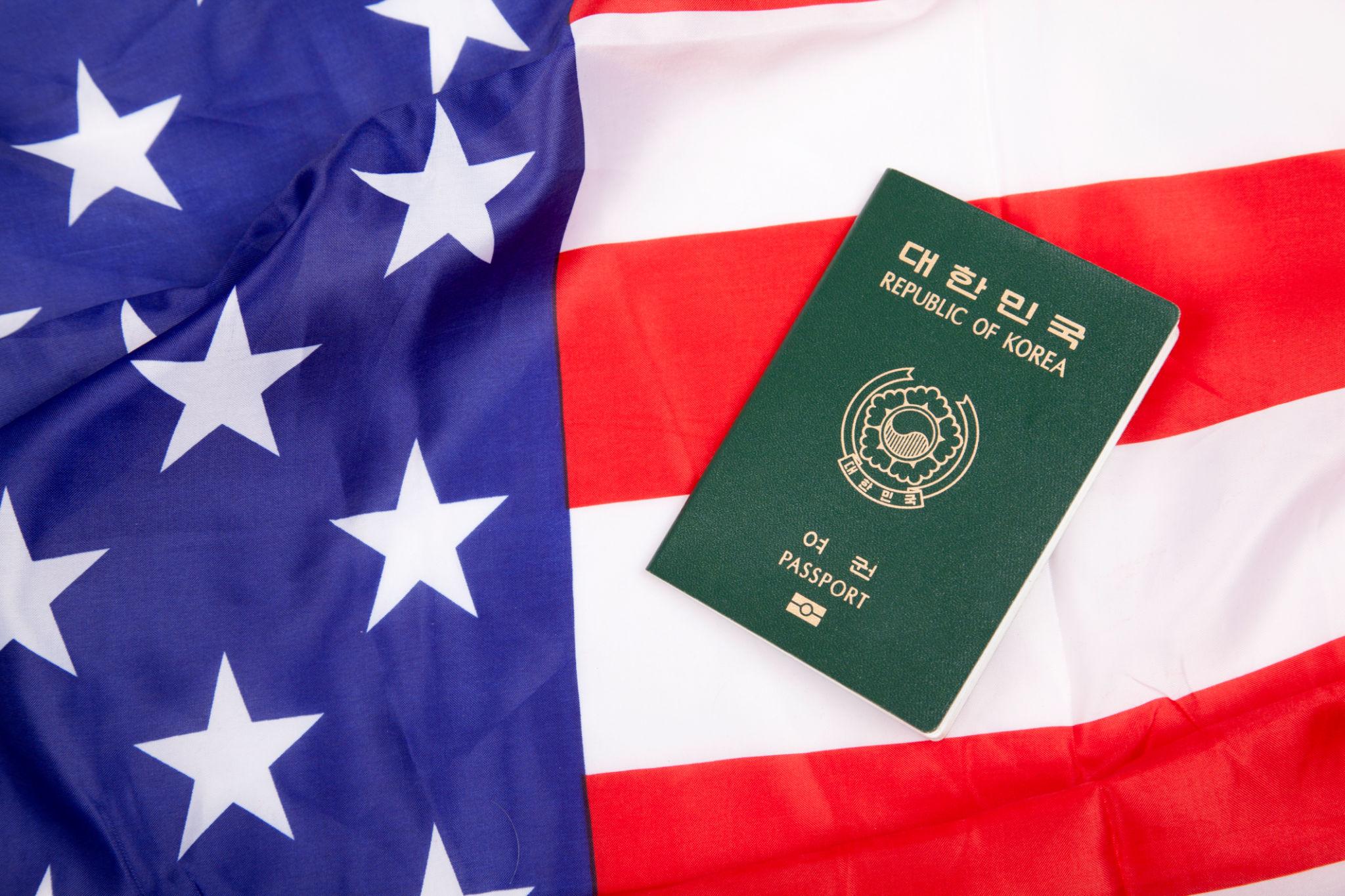
So why do Korean-Americans born in the US call themselves dual citizens?
This is where a lot of people get confused.
Some Korean-Americans born in the US genuinely do hold both Korean and US nationality at the same time.
But their starting point is different from someone who later voluntarily naturalizes as a US citizen.
Under Korea's Nationality Act, if either parent is a Korean national at the time of birth, the child generally acquires Korean nationality automatically at birth.
If, at the same time, US law grants US citizenship at birth as well, the child ends up with both nationalities from the start.
This is commonly called "dual nationality by birth."
So someone born and raised in Korea who later naturalizes as a US citizen as an adult, and someone who held both Korean and US nationality from birth, should not be treated the same way when it comes to nationality issues.
Dual nationality by birth comes with its own separate rules
People with dual nationality by birth can be subject to Korea's nationality-selection system.
The Nationality Act requires selecting a nationality by a certain age, and in certain cases allows someone to keep their foreign nationality while choosing Korean nationality, through a pledge not to exercise the foreign nationality.
For men in particular, this is connected to military service obligations and the timing of renouncing nationality, so extra care is needed.
Ministry of Justice guidance also notes that the applicable timing for male dual nationals can vary depending on whether their military service obligation has been resolved.
So a blanket statement like "you must choose one before age 22" doesn't accurately describe every dual national either.
What actually applies can depend on place of birth, parents' nationality, whether birth was registered, gender, military service status, and how the nationality was acquired.
You can't just pick whichever passport is convenient, either
If you hold dual nationality, there's something to know when traveling too. The US Department of State states that US citizens must use a US passport to enter and exit the United States.
Other countries may likewise require use of their own passport under their own laws.
So dual nationality isn't simply "I have two passports, so I'll use whichever is convenient."
Along with the rights each country grants its citizens come obligations too — taxes, military service, immigration requirements, and more.
Dating brings nationality questions into real life too
When Koreans and Korean-Americans date in the US, questions about nationality that didn't seem important at first can become very real once marriage comes up.
One person might be a US citizen and the other a student from Korea; or a dual national born in the US might be dating someone who's a Korean national.
Depending on whether the couple plans to live in the US or Korea after marriage, and where they'd raise children, questions about nationality and immigration status naturally come up.
That's why, at Neorang, when we introduce people looking for something serious in the US, we don't just sort people into labels like "Korean-American" or "international student." We look at where they want to live going forward, how open they are to long distance or relocating, and what kind of life they want after marriage.
Nationality is just one condition among many — what actually keeps a relationship going long-term is how closely aligned the two people's visions of the future actually are.
If you're looking for someone in the US with a similar cultural background and life direction, and open to something serious that could lead to marriage, feel free to reach out to Neorang for a consultation :)