You set up a US phone number, and before long, calls from numbers you don't recognize start coming in.
It's not just once — it repeats for days. You wonder if it's your area code, maybe something about school, a hospital, or a delivery, but when you pick up, it's sometimes just a recorded message.
If you're still new to life in the US, you might worry about missing an important call, and even if you answer, it can be hard to immediately understand what's being asked in English.
In these moments, it helps to separate whether the number "looks familiar" from what the call is actually asking you to do.
A Number on Your Screen Doesn't Guarantee Who's Really Calling
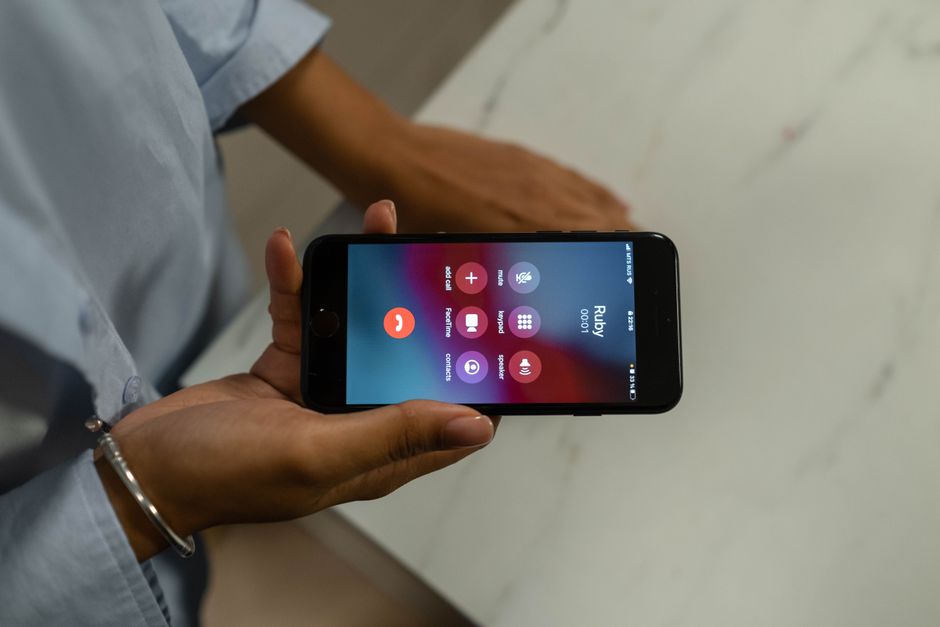
When a caller ID or name shows up, it can feel like the call is really coming from that organization.
But caller information can be spoofed. Just because a familiar area code or organization name appears doesn't mean you should trust it and hand over personal information. FCC guidance on unwanted calls and texts
The key is not to judge based on the screen alone — check the actual content, and if needed, call back through an official number you already know.
If an Unexpected Request Comes Up, It's Fine to Stop the Conversation
When someone suddenly asks for personal information, a verification code, or payment details, it's easy to feel like you have to answer right away.
Hearing that there's a problem with your account or a delivery makes you want to resolve it quickly. But if you haven't confirmed who's actually calling, you don't need to keep talking.
Open the official app or website yourself to check for related alerts, or call the organization's official number — one you already know, not one the caller gave you.
Don't rely only on a number or text link the caller provided to "verify" things, since that contact info could be coming from the same person.
If it's genuinely important, you can confirm which organization and which matter it concerns, then follow up through a safer channel.
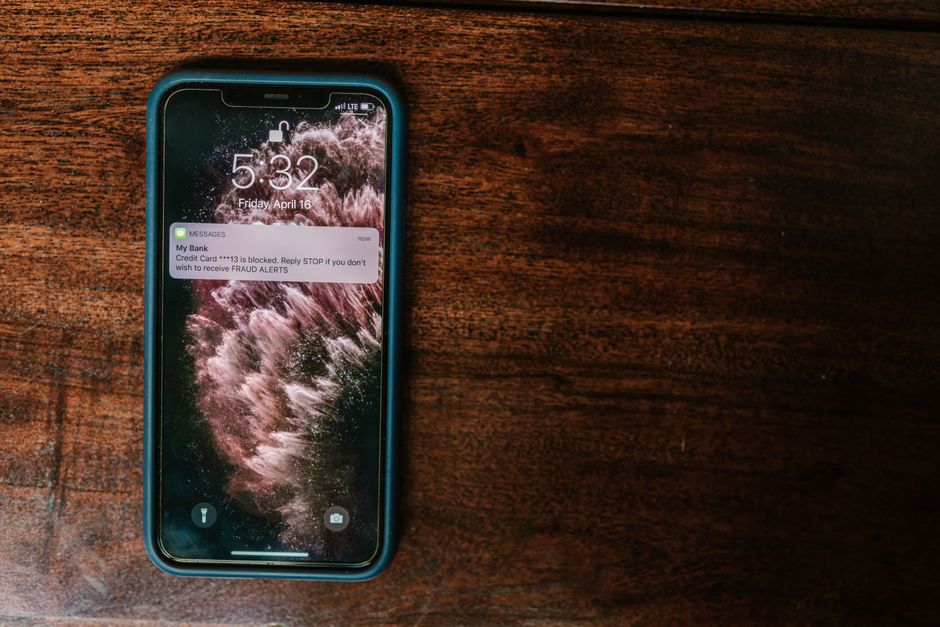
Not Every Recorded Call Is the Same
You might receive an automated reminder or notice, like an appointment confirmation. The fact that a call is recorded doesn't mean every such call has the same intent.
But if it's an unexpected sales call or a suspicious automated call, it's best not to keep pressing buttons as instructed.
The FTC advises hanging up on illegal robocalls and not pressing any numbers. Call-blocking features can help, but not every scam call gets flagged or blocked. FTC guide to robocalls
Even if the caller tells you to press a number to speak to an agent or opt out, you don't have to follow along inside a call you already find suspicious.
Check Whether a Missed Call Left a Voicemail
If there's a voicemail after a call ends, you can check what it says.
But a voicemail existing doesn't make the contact trustworthy on its own. Check the organization name and the actual request, then reach out through an official channel if needed.
If the English is fast, you can jot down key words or listen again. There's no need to respond and decide something right away if you didn't fully understand it.
If you're actually expecting a call about an appointment or a job, also check the email or account the organization gave you directly. Not missing a real call and not blindly trusting an unknown caller are two different things.
Does Registering with Do Not Call Block Everything?
The US National Do Not Call Registry is an official service related to unwanted sales calls.
But registering doesn't automatically block every unknown or illegal call. The FTC also lists call-blocking tools and ways to report unwanted contact. FTC guide to unwanted calls and texts
Register and report through the official site directly. Don't trust a separate call claiming it can "register you" in exchange for your information.
When You Report, Keep a Record of What You Received
Jot down the date and time, the number shown, which organization was impersonated, and what was requested.
Reporting can help agencies spot patterns, but one report won't instantly stop all calls or resolve your personal situation. The FCC also explains the role and limits of individual complaints.
If a call felt off, it's better to hang up and look into official channels rather than trying to track the caller down or keep the conversation going yourself.
Getting unknown calls often in the US isn't something to panic over every time. Remember these three things: don't trust caller ID on its own, stop if an unexpected request comes up, and re-verify anything important through an official contact.
US life is full of small moments like this phone call, where you have to make your own judgment call, again and again. When enough of these pile up, something like dating or marriage can easily keep getting pushed to the back burner.
NEORANG is a matchmaking service that helps Koreans living in the US find a serious relationship even in the middle of a busy everyday life, looking at location, lifestyle, and views on marriage before making an introduction.
Just like filtering out a spam call, finding the right person is easier with some help than doing it entirely on your own :)