Making Korean friends in America sounds like it should be easy. After all, there are Korean people everywhere — Korean churches, Korean restaurants, Korean grocery stores. And yet, many Korean Americans and Korean nationals living in the US report that genuine, lasting friendship with other Koreans is surprisingly hard to build. Here are the approaches that actually tend to work.
Why It's Harder Than It Looks
In Korea, you're constantly meeting new people through structured environments: school, military service, university clubs, office culture. These systems create regular, repeated contact with the same people over time — which is exactly the condition under which friendships form most naturally. In America, those systems either don't exist or function differently.
If you arrived as an adult — for graduate school, for a job, for a relationship — you're building your entire social network from scratch, in a country where adults don't easily form new friendships outside of pre-existing contexts. It's not personal. It's structural. And knowing that helps.
Online Communities Are a Starting Point
Facebook groups for Korean Americans in specific cities ("Korean Americans in NYC," "Koreans in LA," "한국인 in Chicago") are active and often the first port of call for people new to an area. KakaoTalk open chats organized around hobbies, professions, or neighborhoods exist in nearly every major US city and can connect you with people you'd never encounter otherwise.
These are starting points, not endpoints. The goal is to move from online to in-person as quickly as naturally makes sense — online communities lower the barrier to initial connection, but they don't substitute for actual friendship.
Korean Organizations and Activities
Korean American professional associations exist in most major cities across the country. They organize networking events, social gatherings, and community initiatives — and the people you meet there tend to share similar backgrounds and life stages, which helps friendships form more naturally.
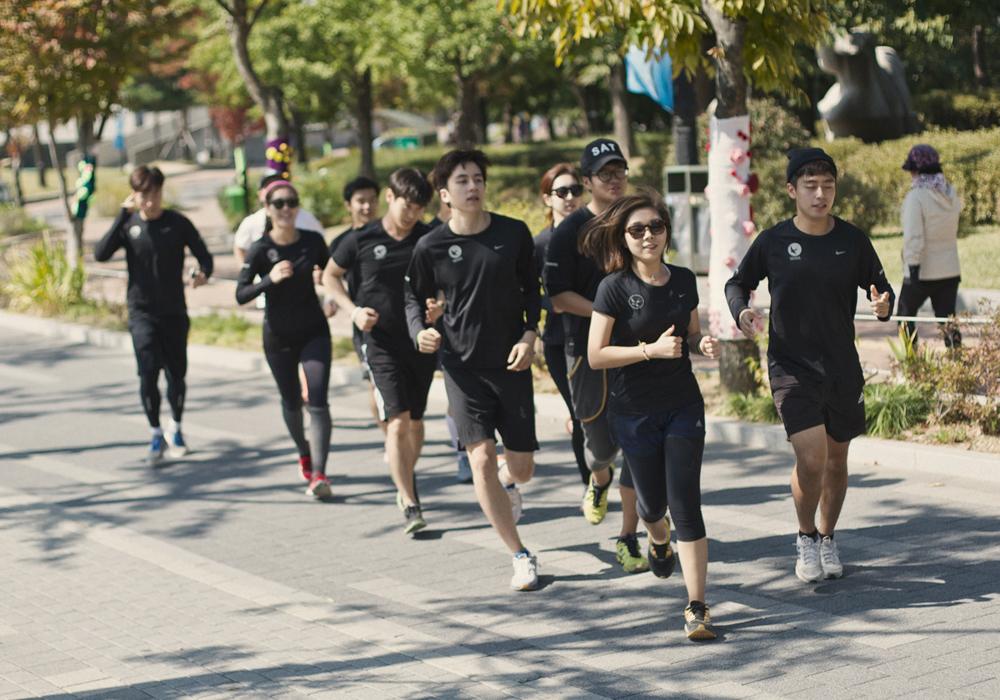
Korean sports leagues — soccer, volleyball, badminton, tennis — are popular across the US and often surprisingly easy to join even if you're not highly competitive. The repetitive, low-stakes nature of weekly sports is actually ideal for friendship formation: same people, same time, shared activity, gradual familiarity. Language exchange meetups attract both Korean nationals and Korean Americans and can build bridges between those communities in ways that other settings don't.
Korean Churches
For many Korean Americans, church is the backbone of social life in the US. Korean churches in America aren't just religious institutions — they're community hubs, support networks, dinner tables, and (often) matchmaking ecosystems all in one. The built-in weekly rhythm and the genuine care that tends to characterize Korean church communities make them one of the most reliable sources of lasting friendship for Korean Americans across generations.
Even if you're not religious or aren't active in a church back home, attending a Korean church is worth understanding as a social institution. Many are welcoming to visitors and people who are simply looking for community.
Beyond Friendship: Finding a Partner
Many of these same channels — church, sports leagues, professional networks — are also, over time, where people find romantic partners. But friendship networks move slowly, and not everyone great in your social orbit is single or at the right life stage. If you're specifically looking for a partner with intention and a timeline in mind, waiting for it to happen organically through social channels can take years.
That's where Neorang comes in. We work specifically with Korean Americans who want to find a serious relationship with someone who shares their background. While building your social network is valuable and we'd always encourage it, we can help you find a partner with more purpose and speed — without replacing the community you're building at the same time.