A lot of international students on F-1 visas end up meeting someone in the US and start thinking seriously about marriage — whether they met at school, at work, or through a friend. And with that comes a familiar set of questions: "Can I even get married on an F-1 visa?" "What happens to my status if I do?"
Here's what F-1 students actually need to know about the immigration side of getting married in the US.
Marriage Itself Has Nothing to Do With Your F-1 Status
The good news first: being on an F-1 visa does not stop you from getting married. Marriage is governed at the state level, so an F-1 visa holder can obtain a marriage license and get legally married in any US state, just like anyone else.
That said, marriage itself and applying for a green card are two separate things. Getting married doesn't automatically change your F-1 status or grant you a green card.
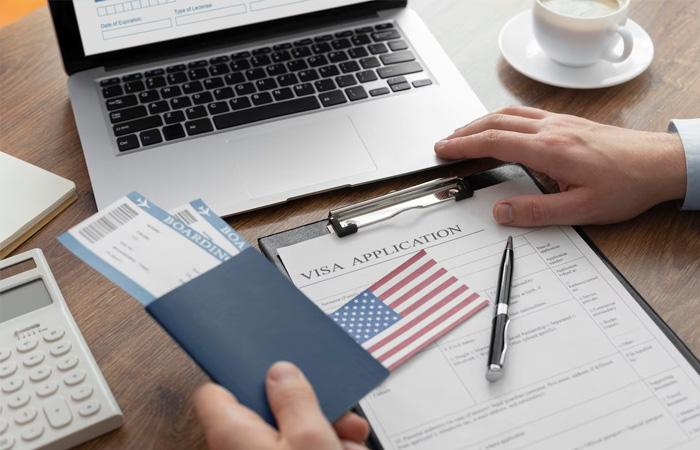
Married to a US Citizen? Here's How I-130 and I-485 Work
If your spouse is a US citizen, you're on a comparatively faster path — spouses of US citizens fall into the "immediate relative" category, meaning a visa number is available right away without waiting in a queue.
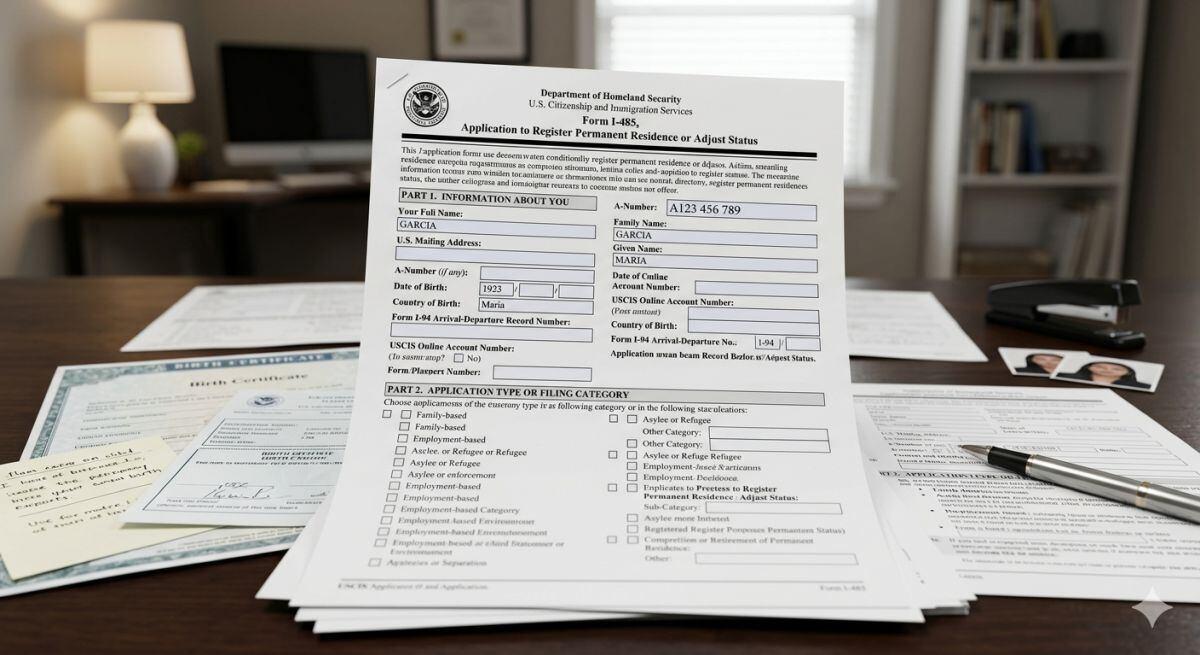
The process generally has two parts. Your spouse files Form I-130 (Petition for Alien Relative) with USCIS to establish the relationship. Once I-130 is approved (or sometimes concurrently), you file Form I-485 (Application to Register Permanent Residence) to adjust status.
F-1 students can go through this process while still enrolled. It's a good idea to let your school's DSO (Designated School Official) know that you're getting married and pursuing a status change.
The "90-Day Rule" — a Common Misconception
You'll often hear about a "90-day rule" in conversations about F-1 students and marriage-based immigration. A lot of people believe it means "if you marry within 90 days of entering the US, you'll have a problem" — but that concept mainly applies to B-1/B-2 (visitor) visa holders or people who entered visa-free, not F-1 students.
More specifically, if someone enters on a tourist visa or visa waiver and marries or applies for a green card within 90 days, USCIS may suspect they never intended to be a genuine visitor in the first place — a form of misrepresentation. F-1, by contrast, is a nonimmigrant visa that doesn't recognize dual intent, but as long as the marriage and status adjustment happen through the proper process, there isn't a separate 90-day rule that applies specifically to F-1 holders.
That said, no matter what visa you entered on, immigration officers will always scrutinize whether a marriage is genuine — so the most important thing, regardless of visa type, is being able to show that your relationship is real.
Applying for a Green Card While on OPT/EAD
If you've finished your studies and are working on OPT (Optional Practical Training), the timing gets more complicated. Because OPT is tied to your F-1 status, you'll want to understand how filing I-485 — which shifts your status to "pending adjustment of status" — affects your OPT before you file.
Once I-485 is filed, you can apply for an EAD (Employment Authorization Document) to work legally. Your OPT EAD and your I-485-based EAD are separate documents, so with the right timing, you can transition without a gap in your work authorization. Because this varies case by case, it's worth working out a concrete timeline with an immigration attorney.
Don't Forget Advance Parole
After filing I-485, the general rule is not to leave the United States until Advance Parole (travel permission) is approved. Once an F-1 student files I-485, whether their existing F-1-based reentry rights still apply becomes complicated — so it's essential to check with an immigration professional before deciding to travel.
Leaving the country without Advance Parole risks having your I-485 treated as abandoned. If you're planning a trip home over a school break, plan your timing carefully around your I-485 filing.

At the End of the Day, It Comes Down to Finding the Right Person
The legal process is complex, but it's something you can work through step by step with the right guidance. The harder part is genuinely finding the right person to build a life with in the US.
Between studying and building a career on an F-1 visa, there often isn't much room left to meet new people. Neorang is a matchmaking service that helps Korean residents across the US find serious relationships — whether you're a student, a work visa holder, or a green card holder. If you're looking for a genuine connection in the US, feel free to reach out.